
The Rise and Fall of Nimrod's Monetary System: Lessons from Ancient Times
EDUCATION ON GOLD & SILVER
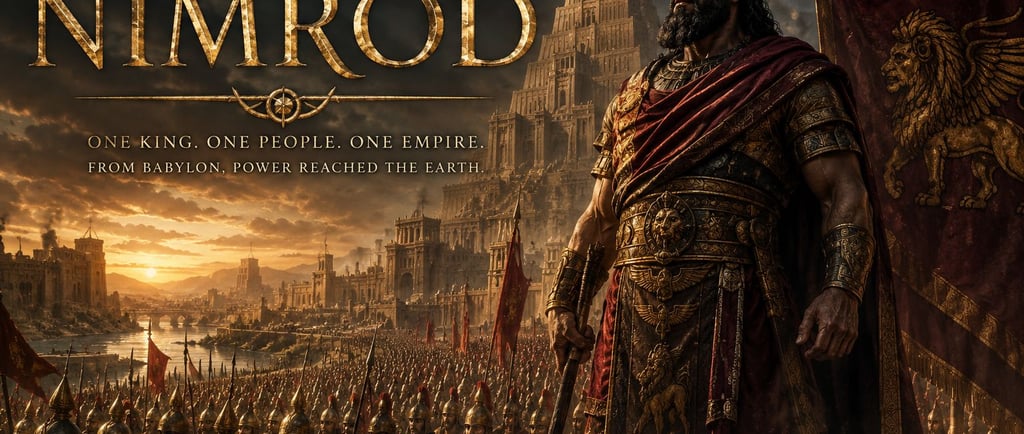
Historical Context: The Empire of Nimrod
The empire of Nimrod, emerging approximately between 2320 BC and 2265 BC, represents a pivotal period in ancient history marked by significant sociopolitical and economic transformation. According to biblical texts, Nimrod is described as a mighty hunter before the Lord, indicating his prowess and dominance. The Book of Jasher elaborates on his exploits, suggesting that he transcended the average ruler by establishing a centralized authority that would later influence the creation of a monetary system.
Nimrod's reign is notably chronicled in the works of the Jewish historian Flavius Josephus, particularly in his antiquities, where he is credited with founding cities such as Babel, Erech, Accad, and Calneh, in the land of Shinar. This urban development served as a foundation for his empire, fostering trade relations and economic growth. The Sumerian King List also contextualizes Nimrod within a lineage of rulers, offering insights into the structural organization of power that characterized early Mesopotamian civilization.
The environmental and socio-political conditions of the time played an instrumental role in facilitating Nimrod's rise. The fertile crescent, with its abundant resources, was ripe for agriculture, enabling population growth and the establishment of complex societies. As trade expanded, it stimulated the need for a monetary system that could efficiently facilitate transactions. Nimrod capitalized on these factors, systematically creating a framework for economic interaction, which laid the groundwork for future monetary systems.
This period underscores not only the ambition of a singular ruler but also reflects the interconnected dynamics of geography, economy, and governance that contributed to the establishment of significant institutions within his empire. Understanding these historical elements allows for a deeper analysis of how Nimrod's monetary principles could resonate through subsequent civilizations.
Nimrod’s Economic Impact: Gold, Silver, and Trade
Nimrod stands as a significant historical figure noted for his exceptional influence on the economic landscape of his time. His empire embraced the use of gold and silver, introducing these precious metals as key components of a burgeoning monetary system. The adoption of gold and silver as real value facilitated trade and economic exchanges, thereby enhancing commerce both locally and between neighboring regions.
The economic framework established under Nimrod was marked by a sophisticated understanding of resource management and value assessment. Gold and silver were not merely decorative artifacts; they were utilized as stable forms of real money that provided a reliable medium for trade among the population. This reliance created a standardized approach to barter, allowing merchants and consumers to engage in transactions with a clear understanding of value, significantly boosting trade efficiency.
Moreover, the significance of these metals can be traced back to their inherent properties. Gold was revered for its durability and resistance to corrosion, while silver was appreciated for its wide availability and malleability. These characteristics made them suitable for creating coins centuries later that withstood the tests of time. By pioneering the use of these metals, Nimrod laid the groundwork for future monetary systems that would mimic this model, demonstrating the enduring importance of gold and silver in economic activities.
Nimrod's economic innovations encouraged further exploration of trade routes, exposing his empire to other goods and commodities. As a result, the economic practices of his reign fostered a climate of growth and prosperity. This early understanding of a monetary framework contributed to the establishment of more complex financial systems in subsequent civilizations, illustrating the lasting impact of Nimrod's influence on economic structures.
The Fall of Nimrod's Empire: Causes and Consequences
The decline of Nimrod’s empire is attributed to a multitude of factors that significantly weakened the monetary system and the overall stability of the civilization. One of the primary causes of this decline was the overreach of the empire, marked by expansionist policies that overstretched its resources. As the empire expanded, it became increasingly difficult to manage and administer far-flung territories, leading to inefficiency and, ultimately, discontent among the populace.
Moreover, according to the Biblical account in the Book of Genesis, the fall of Nimrod's Empire also began with humanity's pride and rebellion against God through the construction of the Tower of Babel. Under Nimrod's leadership, the people sought to build a tower reaching the heavens to make a name for themselves and unite under one centralized power, rejecting God's command to spread across the earth
In addition, the consequences were devastating for the Empire's unity and power. God confused their language, causing division, mistrust, and the scattering of nations across the earth. This event marked the collapse of Nimrod's centralized monetary system and Kingdom. Becoming a symbol of how pride, self glorification, and rebellion can lead to the the downfall of even the greatest empires.
Lessons from Nimrod's Monetary System: Investing in Gold and Silver Today
The era of Nimrod is often noted for its early recognition of gold and silver as vital forms of real money. These precious metals served not only as mediums of exchange but also as stores of value, which is pertinent to understanding their significance in today’s financial environment, especially amidst the challenges of modern fiat currencies. Throughout history, gold and silver have been considered reliable assets, providing a hedge against inflation and economic instability.
In comparison, modern fiat currencies can be susceptible to factors such as government policies, inflation, and broader economic fluctuations, which have raised concerns regarding their long-term stability. Investing in tangible assets, such as gold and silver, can be a prudent strategy to fortify one’s financial portfolio. Just as Nimrod recognized the inherent value of these metals, contemporary investors can benefit from their enduring appeal as safe havens in turbulent financial times.
Furthermore, the lessons drawn from Nimrod's monetary system highlight the importance of diversification in an investment strategy. Allocating a portion of one’s investment portfolio to precious metals can mitigate risks associated with volatile markets. As global tensions and economic uncertainties rise, having a stake in gold and silver can provide not only a potential for capital appreciation but also peace of mind.
Ultimately, the historical perspective of Nimrod’s approach to precious metals offers valuable insights into contemporary investment practices. By recognizing gold and silver as enduring assets, investors today can better navigate the complexities of the financial landscape, securing their wealth in periods of uncertainty much like those experienced by early civilizations. Embracing these lessons can lead to a more balanced and informed investment strategy.