
Understanding the Rise and Fall of the Phrygian Empire's Monetary System
EDUCATION ON GOLD & SILVER
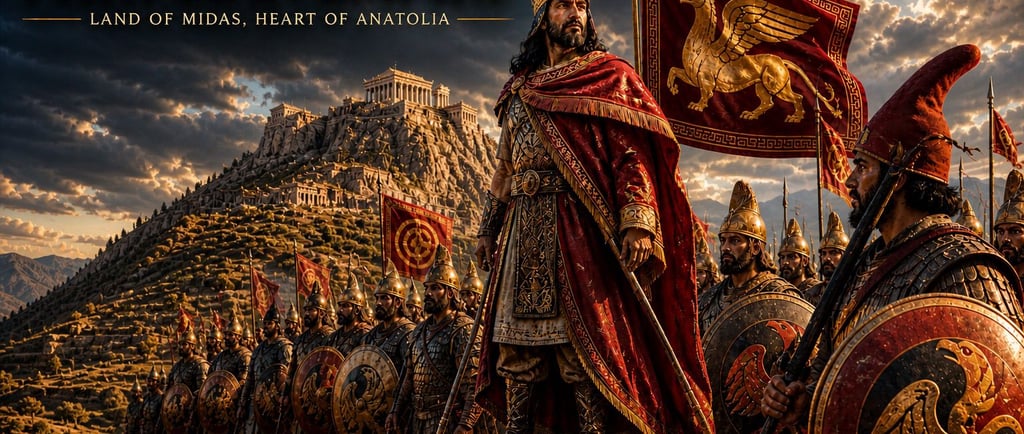
Introduction to the Phrygian Empire and Its Context
The Phrygian Empire, a significant ancient civilization, occupied a crucial geographical location in the central region of Anatolia, modern-day Turkey. It emerged around 1200 BC, following the collapse of the Hittite Empire, and thrived until its decline around 675 BC. The empire's development was marked by its ability to adapt to the cultural and economic shifts of the region, contributing to its historical significance.
Historically, Phrygia is often recognized for its rich tapestry of traditions and languages, influenced heavily by surrounding cultures, including the Hittites, Greeks, and Assyrians. The rise of the Phrygian Empire is characterized by its innovative approach to governance and economy, which arguably set the foundation for its monetary system. Key events included the construction of fortified cities, such as Gordion, which served as administrative and military centers that facilitated trade and economic growth.
The Phrygian monetary system played a pivotal role in the empire’s economy, enabling trade both within its borders and with neighboring regions. The early forms of currency in use during this period reflected the empire's socio-economic dynamics and helped promote commerce. Coins made of electrum, a natural alloy of gold and silver, marked an important advancement, enabling standardized trade practices.
This monetary development was central to the rise of Phrygia as a regional power, establishing it as a hub of trade and economic activities. The significance of its monetary system cannot be overstated, as it not only facilitated transactions but also symbolized the empire's cultural and political aspirations. As we explore the economic intricacies of the Phrygian Empire, we can observe how its monetary practices laid the groundwork for both its prosperous era and subsequent decline. Understanding this context will provide greater insight into the complexities of the Phrygian monetary system, its evolution, and the factors that contributed to its eventual fall.
Key Leaders and Economic Influences
The Phrygian Empire, known for its rich cultural heritage and thriving economy, was shaped by several pivotal leaders who left an indelible mark on its monetary system. One of the most notable figures was King Midas, whose reign during the 8th century BC is often romanticized in folklore, particularly for the "Midas touch" myth. This legend symbolizes Midas's significant connection to wealth, highlighting the empire's emphasis on the importance of precious metals in trade and daily life. Under his rule, the Phrygian Empire witnessed advancements in the minting of coins which became critical in facilitating commerce.
Midas's strategic implementation of gold and silver as forms of currency allowed for standardized trade practices, ultimately enhancing economic stability. His policies encouraged the abundant use of these metals in various transactions, reflecting a shift from barter systems to a more sophisticated monetary economy. This transition was instrumental in establishing trade relations with neighboring regions, broadening the empire's influence and economic potential.
Another key figure was King Gordias, Father of King Midas, and also was known for his famous "Gordian Knot" Legend. His administration focused on enhancing infrastructure, which included the establishment of trade routes that improved the flow of goods within and beyond Phrygian borders. The socio-economic policies he enacted aimed to support agriculture and craftsmanship, thereby stimulating local economies. These initiatives not only reinforced the monetary structure but also fostered a sense of community identity through economic interdependence.
Overall, the leadership of Midas and Gordias played a vital role in shaping the Phrygian Empire's monetary system. Their contributions to monetary practices and economic policies significantly influenced the empire’s prosperity, leaving a legacy that would echo through its history and affect later civilizations in the region.
Monetary Practices: Barter to Precious Metals
The Phrygian Empire, known for its rich cultural heritage and significant geographical position in ancient Anatolia, experienced a notable transformation in its monetary practices over time. Initially, the economy was primarily reliant on a barter system, where goods and services were exchanged directly without a standard medium of exchange. This method, although effective in localized transactions, posed significant limitations as trade expanded, particularly in inter-regional exchanges.
As trade networks evolved and became more complex, the Phrygian Empire began to shift towards the use of precious metals such as gold and silver, which were valued not only for their material worth but also for their role as reliable currencies. The introduction of these metals allowed for the establishment of a more standardized system, facilitating smoother transactions and promoting greater economic stability within the empire. Weights were utilized to measure the quantities of these metals, establishing a reliable method for trade that reduced the uncertainty prevalent in barter systems.
The significance of precious metals in Phrygian commerce cannot be overstated. The Midas legend, which speaks of King Midas’s ability to turn anything he touched into gold, reflects the profound value and symbolism attributed to these materials within Phrygian society. This narrative illustrates not only the wealth and prosperity associated with gold but also hints at the complexities of wealth management and the ethical dilemmas faced by those who wielded it. The connection between their monetary practices and societal values reveals much about the Phrygian Empire's economic landscape, highlighting how the adoption of a metallic currency influenced trade relationships and social hierarchies.
In summary, the transition from barter systems to a monetary framework based on precious metals marked a significant milestone in the history of the Phrygian Empire, laying the foundations for more sophisticated economic interactions and societal dynamics.
Lessons Learned: The Enduring Value of Precious Metals
The rise and fall of the Phrygian Empire's monetary system presents valuable insights regarding the enduring significance of precious metals, such as gold and silver. Throughout history, societies have relied on these tangible assets for their intrinsic value, contrasting sharply with the modern reliance on fiat currencies. The Phrygian experience serves as a cautionary tale highlighting the potential volatility and risks associated with fiat money.
Fiat currencies, which derive their value from government decree rather than intrinsic worth, can undergo severe fluctuations influenced by various socio-economic factors. In contrast, precious metals have maintained a relatively stable value across generations due to their limited supply and widespread acceptance. This stability ensures that they remain a reliable store of value, particularly during economic downturns or periods of inflation.
Investors today can draw lessons from the Phrygian Empire's monetary system. The reality is that as economies evolve, the preference for tangible assets can fortify financial resilience. Gold and silver often serve as hedges against inflation, offering security when currency values may plummet. In times of political instability or market uncertainty, precious metals provide investors with a safe haven, reflecting their consistent appeal across centuries.
The ongoing interest in gold and silver among mainstream investors underscores their status as essential components of a diversified investment portfolio. Coupling modern economic strategies with the historical precedent of the Phrygian Empire emphasizes the need for incorporating precious metals into one’s financial planning. Ultimately, acknowledging the lessons learned from past societies can empower today’s economies to create sounder, more resilient monetary frameworks that favor stability over volatility.