
The Rise and Fall of the Khwarazmian Empire's Monetary System: A Historical Perspective
EDUCATION ON GOLD & SILVER
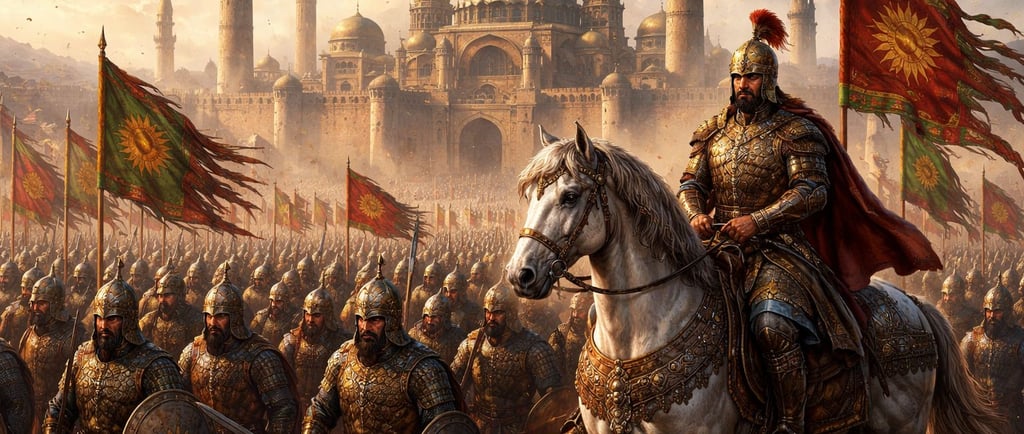
Introduction to the Khwarazmian Empire and its Monetary System
The Khwarazmian Empire, at its zenith from 1077 to 1231, was a prominent entity situated in present-day Iran, Turkmenistan, Uzbekistan, and parts of northern Afghanistan. This vast geo-political realm emerged during the backdrop of significant sociopolitical transformations in the region, evolving from the lesser Kingdom of Khwarezm into a notable empire that engaged in expansive trade and cultural exchanges along the Silk Road. The empire's strategic location bridged the East and West, making it an essential hub for commerce and economic activities, greatly impacting its monetary system.
The success and durability of the Khwarazmian monetary system were largely dependent on the utilization of gold and silver, which served as the backbone of its economy. Coins minted from these precious metals were not only a means of facilitating transactions but also a reflection of the empire’s wealth and stability. The introduction of standardized currency helped boost trade with neighboring states and beyond, integrating various market zones into a cohesive economic network. This monetary standardization was vital for maintaining power and influence in a region characterized by diverse cultures and practices.
The Khwarazmian Empire reached its apex under the rule of Shah Ala ad-Din Muhammad II, who further expanded the scope of the monetary system, enhancing its efficacy and reach. However, this promising venture would ultimately face challenges brought on by external pressures and internal strife. This exploration will provide insights into these dynamics, shedding light on both the achievements and eventual decline of the Khwarazmian monetary system within the historical context of its empire.
Key Leaders and Economic Policies Impacting the Khwarazmian Economy
The Khwarazmian Empire, which reached its zenith during the early 13th century, was profoundly influenced by its key leaders and the economic policies they enacted. One of the most notable figures was Muhammad II, who ruled from 1200 to 1220. His leadership was characterized by both military conquests and significant economic reforms that aimed to consolidate the empire's power and promote trade.
Muhammad II implemented a series of policies focusing on improving trade routes and enhancing the monetary system. His efforts included establishing favorable trade agreements with neighboring regions, which facilitated the exchange of goods along the Silk Road. This not only boosted the economy but also brought a diverse array of products, aiding in the cultural and economic enrichment of the empire. Furthermore, he introduced currency reforms that standardized monetary units, making trade more efficient and fostering a sense of economic stability.
Preceding rulers, such as Anush-Tigin Gharchai, also played a crucial role in shaping the economic landscape of the Khwarazmian Empire. They initiated vital taxation systems, ensuring that a steady revenue stream went into the state’s coffers, which was integral for maintaining the empire's vast military and administrative apparatus. The taxing policies were typically structured to be sustainable, taking into account the agrarian economy that underpinned much of Khwarazm's wealth.
Moreover, these leaders recognized the importance of a robust economy for their legitimacy and control over the populace. Trade practice adjustments, including taxes on merchants, were crafted with the intention of balancing the needs of the empire with those of traders. This intricate relationship between the leadership’s decisions and the economic policies illuminates how each significantly impacted the stability and growth of Khwarazm's monetary system.
Lessons from the Use of Gold Dinars and Silver Dirhams
The Khwarazmian Empire’s monetary system prominently featured gold dinars and silver dirhams, which were more than just currencies; they were vital instruments for facilitating trade and ensuring economic stability. The choice of precious metals, specifically gold and silver, stemmed from their intrinsic value, durability, and widespread acceptance. This reliance on gold and silver allowed the Khwarazmian economy to flourish, as these metals served as universal mediums of exchange, fostering trade not only within the empire but also with distant regions.
Gold dinars and silver dirhams were used extensively in commercial transactions, enabling merchants to engage in long-distance trade with confidence. This application helped to standardize currency values across various regions, reducing the friction typically associated with barter systems and enhancing economic growth. Additionally, the use of these coins provided a lever for maintaining price stability, which is essential for a thriving economy. The historical precedent set by the Khwarazmian Empire illustrates the importance of metal-backed currencies in promoting trust and encouraging market confidence.
Beyond their economic functionalities, gold dinars and silver dirhams held significant cultural value, serving as symbols of wealth and prestige. The imagery and inscriptions on these coins reflected the identity of the Khwarazmian Empire, contributing to a sense of unity and national pride among its citizens. In today’s context, the lessons from the Khwarazmian monetary system resonate well with modern investment strategies. As investors look for stability in uncertain economic climates, the intrinsic worth of precious metals can offer a hedge against inflation and currency devaluation.
Therefore, the historical significance of these metal coins is evident not only in their practical applications during the Khwarazmian era but also in the insights they provide for contemporary financial practices. This rich legacy highlights the timeless value of gold and silver, which continue to hold relevance in today's investment landscape.
Implications for Today’s Economy: Learning from the Khwarazmian Empire
The rise and fall of the Khwarazmian Empire offers invaluable lessons applicable to today’s economic landscape, particularly regarding the role of precious metals such as gold and silver in the monetary system. During its peak, the Khwarazmian Empire employed a metallic currency system, which was underpinned by physical assets. This system allowed for a stable economy, as the tangible value of these metals served as a hedge against inflation and economic instability. In contrast, modern economies increasingly rely on fiat currencies, which do not possess intrinsic value. As a result, they are more susceptible to inflationary pressures, leading to potential economic crises.
The reliance on precious metals as 'real money' underscores a fundamental concept that remains relevant today. Investors and policymakers can learn from the Khwarazmian experience the importance of maintaining a diversified asset portfolio that includes tangible commodities. Unlike fiat currencies, gold and silver have historically maintained their value, serving as a reliable store of wealth over the centuries. This insight can guide contemporary investors examining asset allocation strategies, especially in periods of economic uncertainty or inflationary trends.
Moreover, the Khwarazmian Empire's decline, exacerbated by mismanagement and overreliance on the value of their monetary systems, serves as a cautionary tale. It reminds us that while precious metals hold enduring value, market dynamics and policy decisions must also be considered. Establishing a sound monetary policy that recognizes the natural limitations of both metal-based and fiat currencies becomes paramount. The historical precedence set by the Khwarazmian Empire illustrates the necessity for a balanced approach to currency management and asset investment.