
The Rise and Fall of the Rouran Khaganate Empire's Monetary System: Lessons on Gold and Silver for Modern Investors
EDUCATION ON GOLD & SILVER
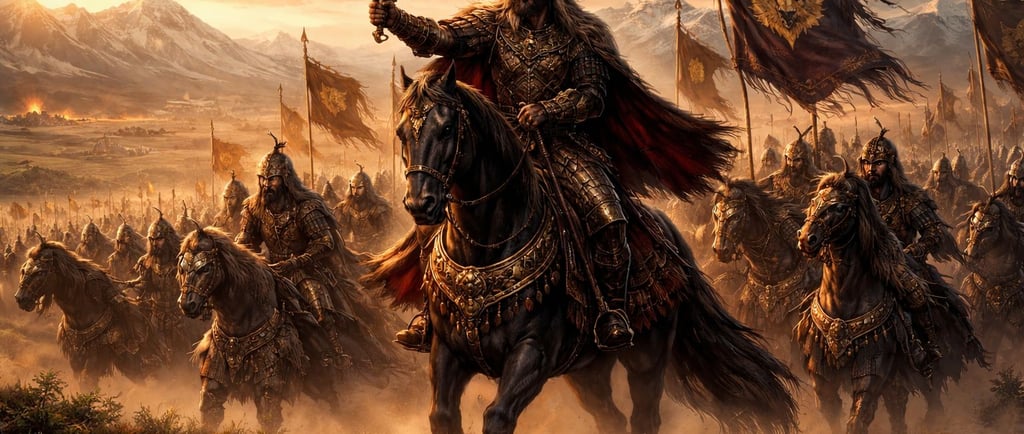
The Establishment of the Rouran Khaganate and Its Early Economic Foundations
The Rouran Khaganate emerged in the early 4th century AD, primarily under the auspices of Yujiulü Anagui, a pivotal leader who helped unify the disparate tribes in the region. His leadership marked the initial formation of what would become a dominant force in Central Asia. The strategic location of the Rouran Khaganate facilitated trade interactions, notably along the established Silk Road routes, which connected the East to the West. This advantageous positioning allowed the empire to prosper economically.
One of the critical components of the Rouran’s economy was its early adoption of precious metals, specifically gold and silver, which played a fundamental role in shaping their monetary system. The use of these metals not only served as a medium of exchange but also as a form of wealth accumulation. Gold and silver coins began to circulate, establishing trust and stability in trade, which proved vital for the economy's growth. By utilizing these materials, the Rouran Khaganate laid the groundwork for a sophisticated financial system that supported extensive trade networks.
During this formative period, various developments took place that influenced currency practices, including the standardization of coinage. Coinage innovations allowed for more efficient transactions and a deeper integration of the Rouran economy with neighboring civilizations. Additionally, policies that promoted trade routes encouraged commerce, providing both the state and its subjects with increased levels of wealth and goods.
Significant milestones in this historical period include the establishment of trade agreements and diplomatic relations with the Hephthalites and the Sassanids, which further solidified the Rouran’s economic strategies. These initial frameworks of currency and trade practices laid a robust foundation upon which the Rouran Khaganate would build its subsequent achievements and expansions.
Economic Expansion and the Monetary Innovations of the Rouran Khaganate
During the 5th century, the Rouran Khaganate experienced remarkable economic expansion, significantly shaping its monetary system. Under the leadership of Yujiulü Yucheng, the empire thrived as trade networks flourished across vast territories. This period, particularly around 455 AD, marked a pivotal moment in the empire's growth, as innovations in monetary practices became increasingly evident.
The introduction of standardized metal ingots played a crucial role in commerce, providing a reliable medium of exchange that enhanced transaction efficiency. Prior to this innovation, trade was largely conducted through barter, which often posed difficulties in value assessment and exchange rates. The shift towards metallic currency, particularly in the form of gold and silver, allowed for more transparent and equitable trading practices. This transition not only simplified trade but also stimulated economic activities, enabling merchants to engage in long-distance exchanges with enhanced confidence.
As the reliance on gold and silver increased, the Rouran Khaganate positioned itself as a central hub in the trade routes connecting the East and West. Precious metals were not only utilized in daily transactions but also held symbolic value, reflecting wealth and power within the society. The prosperity derived from trade and the efficient use of silver and gold allowed the Khaganate to embark on further military conquests and territorial expansions, solidifying its influence over neighboring regions.
This economic growth, paired with the innovative use of standardized currency, contributed to the overall stability of the Rouran Khaganate. It is essential for modern investors to recognize the lessons from the monetary innovations of this ancient empire, as they provide valuable insights into the importance of sound monetary policies and the role of precious metals in establishing economic resilience.
The Decline of the Rouran Khaganate and Economic Downfall (500 AD - 555 AD)
The Rouran Khaganate, once a formidable power in Central Asia, experienced a significant decline during the mid-6th century, which can be attributed to several interrelated factors that culminated in economic turmoil. One of the most pressing issues was internal discord, characterized by leadership struggles that weakened the central authority of the empire. The fracturing of power among various factions led to a lack of coherent economic policy and ultimately diminished effectiveness in resource management.
Additionally, the Rouran faced external challenges, notably invasions from rival factions, such as the rising Turkic tribes. These incursions not only disrupted trade routes, which were vital for the movement of goods and wealth within the empire but also stymied any potential economic recovery. The destruction of key trade networks highlighted the reliance of the Rouran on external trade, which, when compromised, contributed significantly to their economic decline. As trade dwindled, so did the influx of precious metals like gold and silver, which were fundamental to the empire’s monetary system.
A key event that underscored the Rouran's economic disintegration occurred around 552 AD, when critical battles against the expanding Turkic forces further weakened their hold on vital resources. These conflicts not only depleted the Rouran’s military ranks but also exacerbated their fiscal crisis, leading to hyperinflation and a collapse of their currency system. The disintegration of a stable monetary foundation could be seen as both a symptom and a cause of broader economic instability, leading to widespread dissatisfaction among the populace, which eventually eroded the legitimacy of the Khaganate’s leadership. As the economic pressures mounted, they significantly undermined the once-mighty Rouran Khaganate, setting the stage for its eventual downfall.
Historical Lessons for Modern Gold and Silver Investors
The rise and fall of the Rouran Khaganate is a critical historical benchmark for understanding the monumental role that precious metals, like gold and silver, play in monetary systems. As the Rouran Khaganate established its economy, the intrinsic value that gold and silver held proved to be essential for facilitating trade and ensuring economic stability. For modern investors, one key takeaway from this historical narrative is the enduring value of these precious metals. In times of economic uncertainty, gold and silver are often seen as a safe haven, demonstrating their resilience through centuries.
Moreover, adaptability in trade is a significant lesson modern investors can learn from the Rouran's experience. The Khaganate thrived when it embraced various trade routes and sought alliances, essentially adding versatility to its economic strategy. Similarly, contemporary investors need to recognize that a flexible approach to diversifying their portfolios, which includes allocation to gold and silver, can protect against market volatility. Being open to adapting investment strategies in response to shifting economic conditions is crucial.
Another aspect of the Rouran Khaganate's downfall was its management of currency. Mismanagement can lead to inflation and economic collapse, as historical instances, including that of the Rouran, highlight. For modern investors, understanding the dynamics of currency value and the pivotal role that gold and silver play within those dynamics can inform smarter investment choices. Employing knowledge of past monetary systems enables investors to make informed decisions today, ensuring that they not only participate in precious metals investment wisely but also grasp the historical context that shapes current modern investors.