
The Rise and Fall of the Hasmonean Dynasty's Monetary System: Lessons for Modern Gold and Silver Investors
EDUCATION ON GOLD & SILVER
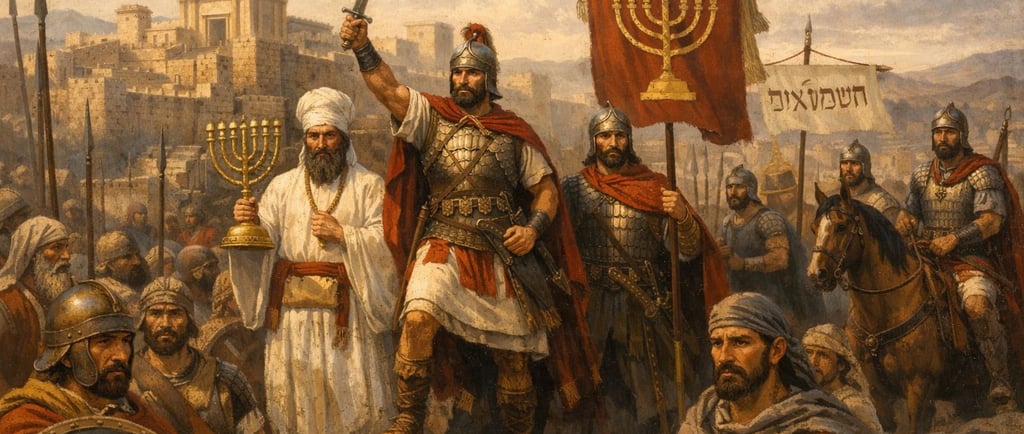
Historical Context of the Hasmonean Dynasty
The Hasmonean Dynasty emerged in the historical landscape of Judea following the successful Maccabean Revolt against the Seleucid Empire, which culminated in 141 BC. This revolt marked a significant turning point, as it not only restored Jewish sovereignty but also laid the foundations for a dynasty that would rule Judea for over eight decades. The Maccabean leaders, notably Mattathias and his sons, played crucial roles in rallying the people against their oppressors, establishing a legacy that would be further shaped under later leaders, such as Simon Maccabee and John Hyrcanus.
Simon, the first of the Hasmoneans to assume the title of high priest and leader, was instrumental in solidifying Judea's political and religious independence. His governance initiated a period of relative stability and prosperity that encouraged further expansion. John Hyrcanus, his successor, extended the borders of Judea significantly, facilitating the consolidation of power. His reign marked the peak of the Hasmonean expansion, as it encompassed vast territories beyond Judea, including Samaria and Idumea, thereby increasing the kingdom's resources and, consequently, its economic infrastructure.
The socio-political environment of this era was characterized by a blend of Hellenistic influences and Jewish traditions, creating a unique culture that allowed for advancements in trade and currency. The Hasmonean leaders were astute in their governance, implementing various reforms that enhanced their economic systems, enabling a shift towards a more standardized currency. Such advancements not only fostered internal stability but also strengthened Judea’s position within the broader regional economy. The legacy left behind by the Hasmonean Dynasty, particularly concerning its monetary system, provides critical insights for understanding the interconnectedness of political power and economic growth, a theme that is still relevant in today's investment landscape.
The Monetary System Under the Hasmoneans
The Hasmonean Dynasty, which emerged in the 2nd century BC, implemented a complex monetary system that played a crucial role in their economy and trade relations. Central to their monetary system were various forms of currency that reflected their economic policies and status within the region. The Hasmoneans primarily utilized gold and silver coins, which were significant for both domestic transactions and international trade.
Gold coins, particularly the stater, were favoured for large transactions and contributed to the establishment of the Hasmonean authority as a dominant economic power. Silver coins were also widely circulated, serving as everyday currency for smaller purchases. The introduction of the prutah, a bronze coin, marked an important evolution in their minting practices. This coin became a staple currency, versatile enough to facilitate commerce among the general populace. The prutah symbolized the Hasmonean ambition to foster a robust and accessible monetary system.
In terms of minting practices, the Hasmoneans were notable for producing their own coins, often stamped with the images of ruling figures or symbols representative of their culture, which helped in establishing identity and unity among their people. The coins also served as propaganda, as the symbols indicated the legitimacy of their rule. Trade relations were heavily influenced by these coins, allowing the Hasmoneans to engage with neighbouring territories and beyond, thereby enhancing their economic standing.
Economic policies under the Hasmoneans focused on promoting local craftsmanship and agriculture to bolster trade. Key dates in the evolution of their monetary practices include the establishment of the prutah around 135 BC and subsequent reforms that stabilized their economy. This monetary framework not only supported their internal economy but also established connections with larger markets, underscoring the significance of their monetary system in the broader historical context.
Influential Leaders and Economic Policies
The Hasmonean dynasty witnessed a series of influential leaders whose economic policies played a crucial role in shaping the monetary system of the period. Two of the most notable figures, Alexander Jannaeus and Salome Alexandra, implemented strategies that would profoundly affect the economic landscape of their reigns.
Alexander Jannaeus, ruling from 103 to 76 BC, adopted aggressive military strategies that extended the boundaries of the Hasmonean kingdom. His conquests not only expanded territory but also secured vital trade routes, allowing for increased commerce and economic prosperity. Jannaeus established a mintage system that led to the issuance of various coins, which facilitated trade within and beyond his kingdom. The silver and bronze coins minted during his reign bore symbols of the Jewish faith, thus intertwining economic authority with religious significance. However, his authoritarian rule also fostered resentment and dissent among various factions, undermining the long-term stability of his economic policies.
Following Jannaeus, Salome Alexandra ascended to the throne; her reign from 76 to 67 BC marked a shift towards a more diplomatic and inclusive approach to governance. Recognizing the importance of unity in enhancing trade and economic stability, she sought alliances with various groups, including the Pharisees, traditionally at odds with her husband’s rule. Her policies emphasized the importance of commerce and trade, which experienced a revival during her reign. Salome Alexandra continued the minting practices initiated by Jannaeus, ensuring that commerce proliferated under her rule. The decisions made by both leaders reveal the delicate balance between military expansion, internal governance, and economic vitality, providing timeless lessons about how leadership decisions can significantly impact economic robustness.
Lessons for Modern Investors from the Hasmonean Dynasty
The Hasmonean Dynasty, known for its impactful rule over Judea during the 2nd and 1st centuries BC, offers important lessons relevant to contemporary investors, especially those focused on precious metals such as gold and silver. One of the primary takeaways from their monetary system is the importance of diversifying currency forms. The Hasmoneans employed various coins, including bronze and silver, which provided flexibility and stability in trade. Modern investors are likewise encouraged to diversify their investment portfolios, incorporating physical gold and silver along with stocks or other assets to mitigate risks associated with market fluctuations.
Moreover, understanding historical economic cycles is crucial. The downfall of the Hasmonean Dynasty was significantly influenced by economic instability and external pressures, showcasing that cycles of growth and decline are inevitable. Today’s investors should study these patterns to better prepare for potential downturns in the financial markets. For instance, recognizing that gold and silver often serve as safe havens during inflationary periods could guide strategic investment decisions.
Another critical lesson stems from analyzing past monetary policies. The Hasmoneans faced challenges due to fluctuating monetary value, which can occur in today’s economic landscape as well. Investors should closely monitor government policies affecting currency value and be prepared to adjust their strategies in response. Additionally, being aware of historical cases of hyperinflation and economic mismanagement can provide vital insights for safeguarding investments in gold and silver.
Ultimately, the legacy of the Hasmonean Dynasty highlights the necessity for investors to remain informed, adaptable, and responsive. As they engage with the complexities of gold and silver investments, learning from the past can inform prudent decision-making and enhance long-term financial resilience.