
The Rise and Fall of the Omani Empire's Monetary System: Lessons for Modern Investors
EDUCATION ON GOLD & SILVER
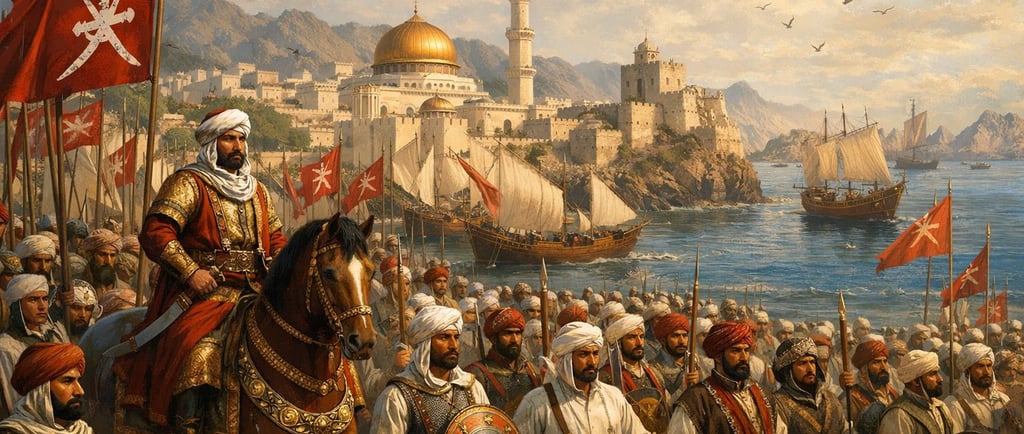
Introduction to the Omani Empire's Monetary Evolution
The Omani Empire, flourishing between 1696 and 1856, represents an essential chapter in the history of regional monetary systems. Its monetary evolution was profoundly influenced by various factors, including strategic trade routes, economic practices, and the preference for precious metals like gold and silver as currency. The empire's geographic position on the southern coast of the Arabian Peninsula facilitated maritime trade with regions as far as East Africa and the Indian subcontinent, establishing it as a hub of commerce.
During this period, the use of a standardized currency became important in facilitating trade and commerce. Silver and gold dinars were commonly adopted, fostering trust and stability in transactions. Their intrinsic value allowed merchants and traders to engage more freely in trade, contributing to the empire's prosperity. The foundation of Oman's trade system hinged on its dynamic exchanges with foreign entities, which included both ship-borne goods and local products. The inherent economic practices encouraged growth in sectors such as agriculture, fishing, and handicrafts, which in turn supported the demand for currency.
Key dates marked significant changes in the monetary policies of the Omani Empire. Notably, the introduction of the governing currency in the early 18th century was coupled with the establishment of fair trade practices. These advancements set the stage for economic integration within the empire and with external partners. As Oman's influence expanded, the complexities of its monetary system mirrored the evolving global dynamics of trade.
Understanding the Omani Empire's monetary evolution provides valuable insights into how early economic systems functioned. It brings forth essential lessons applicable to modern investors, illustrating how historical contexts can shape economic policies and practices. By examining the elements contributing to its rise, one can better appreciate the nuances of monetary systems across different eras.
Key Events and Influential Leaders from 1696 to 1856
The period between 1696 and 1856 was pivotal in shaping the monetary system of the Omani Empire. One of the most significant events was the ascension of Sultan Said bin Sultan in 1806, who ruled until 1856. His reign marked a crucial phase for the empire's economy, particularly through his endeavors to modernize trade practices and expand commercial activities across the Indian Ocean.
Under Sultan Said's leadership, the Omani Empire strengthened its trade relations with various countries, including Britain, the United States, and regions in East Africa and India. This expansion facilitated a robust influx of wealth, which had a direct impact on the empire's monetary dynamics. Sultan Said implemented reforms that encouraged the circulation of the Omani real, enhancing its status as a trusted medium of exchange within domestic and international markets.
However, this period was not devoid of challenges. Major conflicts, such as the Omani-Swahili Wars and intermittent skirmishes with the Portuguese, disrupted trade routes and created instability within the region. These conflicts had adverse effects on the monetary system, as they impeded the flow of goods and currency, leading to inflation and economic volatility. Furthermore, treaties signed in the 19th century, particularly with colonial powers, often favored foreign interests, placing additional strain on the local economy.
The eventual decline of the Omani Empire's monetary system can also be attributed to the inability to navigate these geopolitical tensions effectively. The intricate balance between warfare, trade partnerships, and economic policies during Sultan Said's reign elucidates the struggles that shaped the empire's financial landscape. Thus, the events and leadership from 1696 to 1856 provide valuable insights into how historical forces can influence monetary systems and economic resilience.
The Role of Gold and Silver in the Omani Economy
The Omani Empire, through its extensive trade networks and strategic geographic location, recognized the intrinsic value of gold and silver, which were integral to its monetary system. These precious metals were not only vital for local transactions but also served as a means of facilitating trade with various regions, including East Africa, India, and the Arabian Peninsula. As a symbol of wealth, gold and silver coins were widely accepted and helped establish a standard of value that facilitated commerce. This reliance on these metals significantly influenced the empire's economic stability and growth.
Gold and silver played critical roles in taxation as well. The government utilized these metals to levy taxes and regulate economic activities, ensuring a steady influx of revenues. By maintaining a consistent supply of gold and silver, the Omani administration could stabilize the currency and curb inflation. The strategic manipulation of precious metal stocks allowed the empire to respond effectively to economic fluctuations, ensuring that trade remained buoyant and responsive to international demand. Consequently, the value placed on gold and silver had a profound impact on wealth accumulation among Omani merchants and nobility.
Moreover, the lessons learned from the Omani Empire's engagement with precious metals offer modern investors valuable insights. In contemporary economic practice, gold and silver continue to act as hedges against inflation and currency devaluation. The historical dependence on these metals underscores the importance of diversifying assets and maintaining a robust economic strategy that includes tangible resources. Thus, the Omani Empire's experience suggests that prudent investment in and management of precious metals can serve as a stabilizing factor in wealth preservation and accumulation, aligning with today’s global economic frameworks.
Modern Implications: Learning from Omani Monetary History for Future Investments
The historical context of the Omani Empire’s monetary system, particularly its reliance on gold and silver, presents valuable insights for contemporary investors. The Omani Empire thrived largely due to its adept utilization of precious metals, which not only served as a stable medium of exchange but also as a store of value. Today, investors can learn from this historical precedence, as gold and silver continue to play crucial roles in diversifying portfolios and hedging against market volatility.
In current financial markets, the fluctuation of currencies combined with geopolitical uncertainties often influences investor behavior. Just as the Omani Empire profited during times of trade and economic stability, modern investors can draw parallels by investing in precious metals during uncertain times. Since gold and silver have historically maintained intrinsic value, they can act as a safeguard against inflation and currency devaluation.
Moreover, the lessons from the rise and fall of the Omani Empire underscore the importance of diversification. Investors should adopt a strategic approach, incorporating a mix of asset types, including precious metals, to mitigate risks associated with market downturns. For instance, while real estate and equities allow for potential growth, they can be volatile and susceptible to sudden dips, unlike gold, which typically holds its value securely.
Another enriching takeaway from Omani monetary history is the significance of understanding market cycles. Just as the Omani Empire navigated through various economic phases, investors today must remain vigilant and informed about market trends and cycles. Making timely decisions and investing accordingly can significantly affect long-term investment success.
In conclusion, by reflecting on the monetary practices of the Omani Empire, modern investors can strategically apply these historical insights, particularly in the realm of precious metals, facilitating a well-rounded investment approach aimed at sustaining long-term financial health.