
The Rise and Fall of the Great Moravian Empire's Monetary System: Lessons for Modern Investors
EDUCATION ON GOLD & SILVER
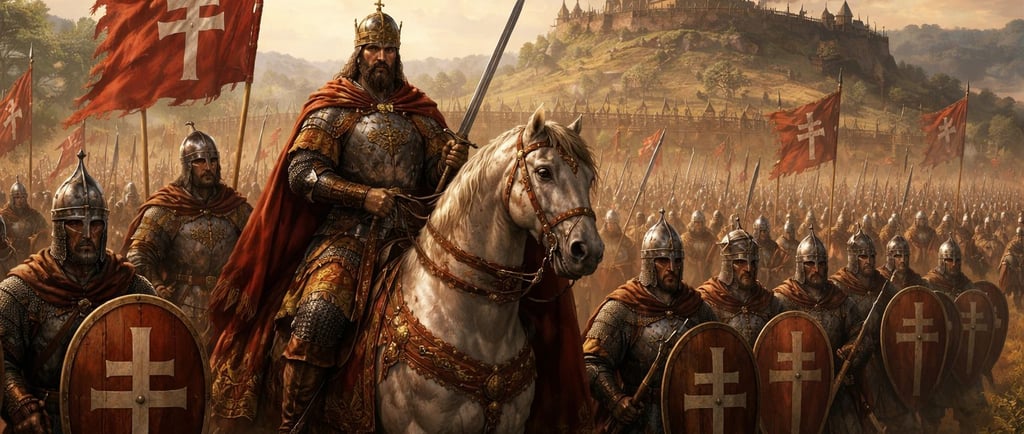
Introduction to the Great Moravian Empire
The Great Moravian Empire, a significant polity in early medieval Europe, existed primarily from the late 9th century until its disintegration in the early 10th century. The empire occupied a vital geographical area that includes parts of present-day Czech Republic, Slovakia, Hungary, Poland, and Austria. Established around 833 AD, Great Moravia emerged as a crucial cultural and political entity during a period marked by the expansion of Slavic peoples across Central Europe.
Notably, the empire played a pivotal role in the Christianization of the Slavic peoples, incorporating missionaries such as Saints Cyril and Methodius. These figures are revered not only for their efforts in spreading Christianity but also for the introduction of the Glagolitic alphabet, which laid the groundwork for the written form of the Slavic languages. The influence of these early educators contributed to the cultural renaissance of the region, allowing for the development of a unique identity among the Slavic states.
The extent of the Great Moravian Empire fluctuated over the years, with its zenith marked by economic prosperity and political stability. This period fostered trade relationships that were essential for the accumulation of wealth within the empire, shaping its monetary system significantly. By integrating various cultural and economic practices, the Great Moravian Empire set a precedent for future governance structures and financial systems in Europe.
Despite its influential existence, the empire began to decline around 906 AD due to external pressures from Magyar invasions and internal strife. This eventual disintegration laid the groundwork for the formation of successor states that would carry forward the legacy of Great Moravia's cultural and political achievements. Understanding this intricate history is essential for recognizing the factors that influenced its monetary systems and their relevance to present-day economic frameworks.
Key Leaders Influencing the Economy
The Great Moravian Empire, an influential Slavic state in Central Europe during the 9th and 10th centuries, was greatly shaped by its leaders, notably Prince Rastislav and his successor, Prince Svatopluk. These figures not only played pivotal roles in expanding the empire but also in molding its economy through strategic alliances and clever policy-making.
Prince Rastislav, who reigned from approximately 846 to 870 AD, is often credited with laying the foundations of the empire's monetary system. Under his leadership, Rastislav sought to consolidate power by inviting Byzantine missionaries to spread Christianity and literacy among the Slavic people. This move not only established a religious framework but also promoted trade by fostering better diplomatic relations with neighboring states. The economic policies initiated during Rastislav's reign highlighted the significance of trade routes and the utilization of a currency system that facilitated commerce and taxation.
Svatopluk, Rastislav's successor, further refined these economic policies. His reign witnessed military expansions that secured vital trade routes, enhancing the empire's economic standing. Known for his shrewdness, Svatopluk skillfully negotiated alliances that bolstered the empire's resources. He encouraged the production of silver coins, standardizing currency and promoting trade within the empire. The increased stability in currency enabled merchants to engage in commerce with external entities, thereby boosting overall economic growth.
Both Rastislav and Svatopluk demonstrated how leadership decisions directly influenced the fiscal stability and growth of the Great Moravian Empire. Their policies on trade, currency, and alliances serve as historical lessons for modern investors about the critical impact that effective leadership can have on an economy's vitality.
The Monetary System: Gold, Silver, and Trade
The Great Moravian Empire, which thrived during the 9th and 10th centuries, developed a sophisticated monetary system that primarily utilized gold and silver. These metals served as the backbone of their economy, laying the groundwork for trade practices that would influence neighboring regions. The foundation of their currency can be traced back to earlier tribal practices where gold and silver were valued for their intrinsic worth. Over time, these precious metals were minted into coins, facilitating smoother transactions and enhancing trade.
Gold became synonymous with wealth and prosperity in the Great Moravian Empire, while silver provided a more accessible means of commerce for everyday transactions. The introduction of standardized weights and measures for these metals represented a critical advancement in their monetary policies. By adhering to such standards, the empire was able to establish trust in their currency, which is paramount in fostering economic growth and stability.
The Great Moravian economy was significantly affected by its trade relationships with surrounding regions, such as the Byzantine Empire and the Carolingians. As their trade networks expanded, demand for their gold and silver coins increased. Recorded instances from the 9th century showcase vibrant trade routes established via rivers and roadways, enabling their merchants to exchange goods such as textiles and agricultural products in return for precious metals.
However, the very reliance on a gold and silver-backed system also made the Great Moravian Empire vulnerable to external pressures. Events such as invasions and fluctuations in trade routes would lead to significant economic shifts, thus highlighting the fragility and limitations within their monetary system. These historical insights into their practice can serve as valuable lessons for modern investors, emphasizing the importance of diversification in mitigating risks associated with economic dependency on a single monetary standard.
Lessons for Modern Gold and Silver Investors
The history of the Great Moravian Empire's monetary system provides invaluable lessons for today’s investors in precious metals, notably gold and silver. This empire, known for its rich cultural and economic exchange, relied heavily on precious metals as a stabilizing force in its economy. Investors today can glean key insights from its rise and fall, particularly in understanding the dynamics that influence the market value of gold and silver.
One critical takeaway is the role of government policies in shaping the investment landscape. The Great Moravian Empire's monetary unit was deeply impacted by state regulations and the socio-political climate. Similarly, modern investors must remain cognizant of how government actions—such as interest rate adjustments, currency regulation, and trade policies—can influence the valuation of gold and silver. An informed investor understands that these precious metals do not exist in a vacuum; they are heavily influenced by macroeconomic factors and legislative changes.
Furthermore, the historical precedents set by the Great Moravian Empire alert investors to the volatility associated with precious metal investments. While gold and silver are often viewed as safe-haven assets, historical patterns indicate they can experience significant price fluctuations triggered by market sentiments, global confidence, and demand shifts. Investors should analyze historical trends to anticipate potential changes in the market that may affect their investments.
Ultimately, the lessons learned from the Great Moravian Empire highlight the importance of a strategic approach to investing in gold and silver. By understanding past economic behaviors and remaining alert to current market dynamics, modern investors can navigate the complexities of the precious metals landscape more effectively. This awareness is not just important for individual portfolios but is also crucial in fostering a resilient investment strategy amidst shifting economic tides.