
The Rise and Fall of the Hunnic Empire's Monetary System: Lessons for Modern Investors
EDUCATION ON GOLD & SILVER
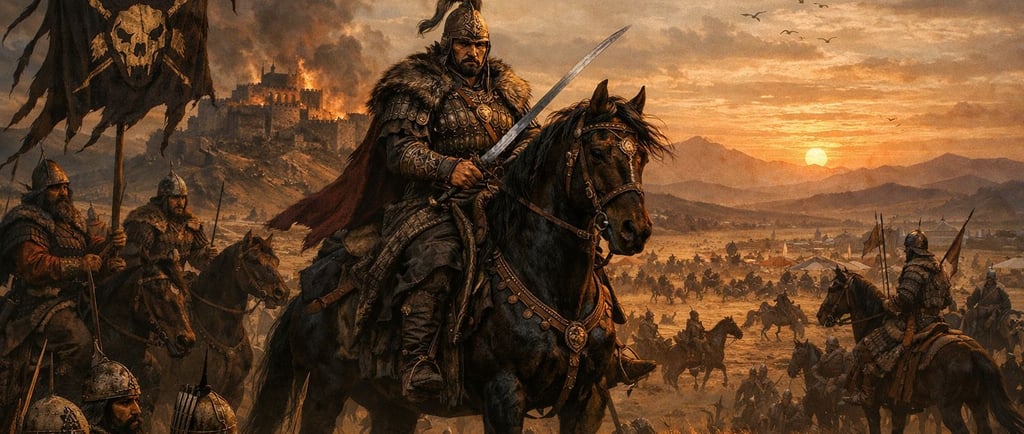
Introduction to the Hunnic Empire and Its Monetary System
The Hunnic Empire, a formidable power during the late 4th and early 5th centuries, emerged from the vast steppes of Central Asia. It stretched across diverse geographic territories, influencing regions that include parts of modern-day Mongolia, Kazakhstan, and Eastern Europe. Established by the legendary leader Attila the Hun, the empire reached its zenith between 434 and 453 AD, marking a significant period in history characterized by extensive military conquests and complex interactions with neighboring civilizations.
A critical aspect of the Hunnic Empire's success was its monetary system, which was vital for trade and economic activity. The Huns were known for their pastoral lifestyle, heavily reliant on herding and equestrian skills, which allowed them to traverse large areas. However, they also engaged in substantial trade, establishing connections with the Byzantine Empire, Persia, and various Germanic tribes. This interaction necessitated a structured monetary system that could support both their internal economy and their extensive trading networks.
The Huns primarily utilized gold and silver as their currencies, which facilitated transactions across diverse cultures and regions. Gold coins, often stamped with influential symbols, served as a standard form of wealth and a medium of exchange, while silver was utilized in various forms for smaller transactions. These precious metals also reflected the cultural practices of wealth accumulation and status among the Hunnic nobility. Important historical milestones, such as the Battle of the Catalaunian Plains in 451 AD and the death of Attila in 453 AD, provide insight into the economic climate and monetary practices of the empire during its rise and subsequent decline.
By examining the Hunnic Empire’s monetary system, modern investors can glean valuable lessons regarding the importance of adaptability and the role of currency in facilitating trade and economic stability.
Key Leaders and Their Impact on the Economy
The Hunnic Empire, one of the most formidable powers of its time, was significantly shaped by its key leaders, notably Attila the Hun. Attila's reign from 434 to 453 AD marked a pivotal period in the empire's economic landscape, particularly regarding its monetary system. Under his leadership, the Huns engaged in numerous military campaigns that not only expanded their territory but also influenced trade routes and the economic interactions with neighboring entities.
Attila’s warfare strategies often included the requisitioning of resources and wealth from conquered territories, notably precious metals such as gold and silver. This practice not only enriched the Hunnic coffers but also served as a means to stabilize the empire's economy during times of turmoil. By forcibly acquiring these metals, Attila ensured a flow of currency that enabled him to reward loyal warriors and maintain a strong military presence. This aspect of his governance emphasizes how military conquests had a direct correlation with the Hunnic monetary system.
Beyond military might, internal governance also played a vital role in shaping the economic structure. Attila implemented reforms in taxation and resource distribution which facilitated trade among his subjects. The introduction of systematic taxation in gold and silver helped regulate the economy by standardizing transactions and establishing a more reliable medium of exchange. This was crucial in a diverse empire where various tribes interacted, creating a need for a cohesive economic policy.
After Attila's death in 453 AD, the empire saw a decline, which was partly due to the lack of effective leadership that followed. The disintegration of centralized power led to an economic downturn, illustrating the vital link between leadership and a stable monetary system. Hence, the actions of Hunnic leaders like Attila serve as an important lesson for modern investors regarding the impact of governance on economic sustainability and growth.
The Use of Gold and Silver: Economic Insights
The Hunnic Empire exhibited a profound reliance on gold and silver, which served as essential cornerstones of its monetary system. These precious metals were not merely primitive forms of currency; rather, they embodied a complex relationship between wealth, trade, and economic stability. Gold and silver facilitated transactions across vast trade networks, enabling the Huns to engage with diverse civilizations, from the Roman Empire to the Eastern territories. Their value was universally recognized, and thus, they became a standard of value that transcended regional boundaries.
During times of prosperity, the value of gold and silver often surged, reflecting the empire's economic vitality. Conversely, in periods of instability or conflict, their value could experience significant fluctuations, influenced by factors such as resource scarcity, war expenditures, and external trade disruptions. The liquidity of these metals provided a buffer against economic downturns; however, excessive reliance on them also presented vulnerabilities. If trade routes became compromised or if the empire faced substantial military challenges, the immediate repository of wealth could diminish rapidly, impacting economic security.
One notable lesson gleaned from the Hunnic reliance on precious metals is the importance of diversification. Modern investors can draw parallels to the Huns' experience, understanding that while gold and silver can provide a hedge against inflation and economic crises, investing solely in these assets may not ensure long-term financial security. A diversified portfolio that incorporates various asset classes—such as stocks, bonds, and real estate—can better insulate investors from market volatility. Additionally, the fluctuations in the value of gold and silver remind investors to remain vigilant and adaptable to changing economic landscapes, further underscoring the significance of strategic planning in financial management.
Lessons for Today’s Investors from Hunnic History
The history of the Hunnic Empire offers valuable lessons for modern investors, particularly in the realm of monetary systems and investment strategies. One of the primary insights gained from the rise and fall of this empire lies in the understanding of market behaviors. The Huns demonstrated that instability within a currency system could lead to economic decline, which is relevant to today's volatile financial markets. Investors must recognize the signs of potential turmoil and adjust their strategies accordingly to safeguard their assets.
Another poignant lesson from Hunnic history is the critical importance of diversification. The decline of the Hunnic monetary system illustrates how reliance on a single asset or a limited range of investments can be detrimental. Investors should look to diversify their portfolios across various asset classes, including stocks, bonds, and real estate, in addition to precious metals such as gold and silver. These metals have historically maintained their value during economic downturns, serving as a hedge against inflation and currency devaluation.
Furthermore, the timeless value of precious metals is reiterated through the lens of the Hunnic Empire’s monetary challenges. Gold and silver have been sought after as stores of value for centuries, and their enduring demand suggests a level of security that other assets may not provide. In turbulent economic times, such as those witnessed during the Hunnic Empire’s decline, investing in these tactile commodities can offer a semblance of stability.
In drawing parallels between past and contemporary financial markets, investors can glean actionable insights that inform their investment approaches. Understanding historical economic patterns can empower modern investors to make more informed decisions, maintaining a keen eye on diversification, market behavior, and the strategic incorporation of precious metals into their investment portfolios.