
The Rise and Fall of the Aulikara Empire's Monetary System: Lessons for Gold and Silver Investors
EDUCATION ON GOLD & SILVER
Overview of the Aulikara Empire: Historical Context and Monetary System
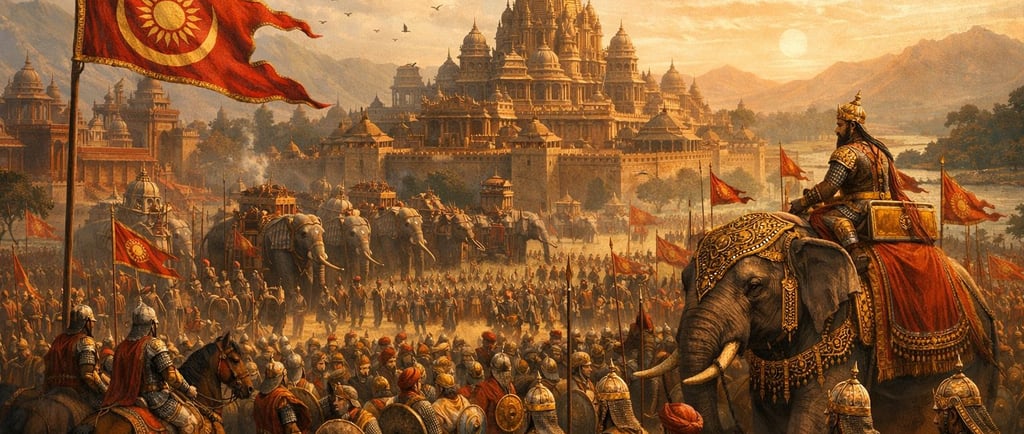
The Aulikara Empire emerged around the 2nd century BC, situated in what is now modern-day India. It is recognized for its significant contributions to regional trade and economic structures during its peak period. The foundation of the empire was laid by leadership that effectively unified various tribal states, fostering stability that facilitated economic growth. This period was characterized by advances in agriculture, trade, and craft production, all of which were crucial in establishing a vibrant economy.
Central to understanding the Aulikara Empire’s economy is its monetary system. The introduction of gold and silver coins marked a significant evolution in how transactions were conducted. Initially, trade was largely barter-based, but the need for a more efficient system led to the minting of coins made from precious metals, which were not only durable but also held intrinsic value. These coins played a vital role in trade, allowing for seamless exchanges over long distances. The use of gold and silver not only highlights the empire’s wealth but also its connections to broader trade networks that spanned across Asia.
The Aulikara Empire's embrace of precious metal currencies also reflects underlying socio-economic hierarchies; those who possessed gold and silver were often in positions of power and influence. However, the reliance on these metals for currency had implications for the empire’s decline. As the demand for trade increased and economic practices evolved, the monetary system began to face challenges, leading to inflation and a decline in trust towards the currency. The eventual fall of the empire served as a poignant lesson regarding the sustainability of monetary systems heavily reliant on precious metals like gold and silver.
Key Leaders and Their Impact on the Aulikara Economy
The Aulikara Empire, known for its progressive monetary system, was significantly shaped by its prominent leaders, most notably King Harsha. His reign marked a transformative period in the empire's economic landscape. King Harsha implemented innovative economic policies that bolstered trade and enhanced the value of currency, primarily through the promotion of merchant activities and the establishment of trade relations with neighboring states.
Under his leadership, the empire saw a flourishing market for both gold and silver, as these metals were integral in facilitating trade and served as a reliable measure of wealth. The king’s efforts in expanding trade routes not only diversified the economy but also enhanced the Aulikara monetary system, which relied heavily on the use of precious metals. The strategic establishment of trade relationships with key regions allowed for the import of vital resources and the export of local goods, thus encouraging economic stability.
Moreover, military conquests during Harsha’s rule played a crucial role in expanding the empire’s territories, which in turn enriched the imperial treasury. The acquisition of new lands led to an increase in the availability of precious metals, reinforcing the monetary system. However, the empire's reliance on military expansion also illuminated the vulnerabilities of its economy; periods of war often disrupted trade and fluctuated the supply of currency.
The transition of power after King Harsha's reign saw varied leadership styles and differing economic philosophies, which inevitably led to critical shifts in the monetary practices of the Aulikara Empire. Subsequent leaders either continued Harsha's policies or deviated from them, impacting the economic fabric of the empire in profound ways. These changes serve as a historical lens through which contemporary investors in gold and silver can glean valuable insights about the importance of stable leadership in maintaining economic vitality.
The Role of Gold and Silver in the Aulikara Empire: Lessons and Insights
The Aulikara Empire, prominent between the 6th and 13th centuries, prominently featured gold and silver within its monetary system. These precious metals were not just mediums of exchange; they symbolized power, wealth, and societal status. The use of gold and silver influenced trade practices, economic planning, and power dynamics throughout the empire, shaping a legacy that still offers valuable insights for contemporary investors.
Gold, often regarded as a hedge against inflation, was meticulously mined and minted into coins. Silver followed suit, providing a more accessible option for transactions, while still holding significant value in the eyes of the populace. The stability of the Aulikara Empire's economy was closely tied to the reserves of these metals. This reliance highlights the importance of possessing tangible assets, especially during times of economic uncertainty. It underscores a fundamental principle still relevant today: financial security is often rooted in the ownership of physical commodities.
Furthermore, the supply issues faced by the Aulikara Empire provide crucial lessons for modern investors. The empire’s experience illustrates how sudden fluctuations in the availability of precious metals can lead to economic strain. In times of scarcity, investments in gold and silver can act as safe havens, providing stability when fiat currencies fluctuate. This perspective encourages current gold and silver investors to consider the intrinsic value of their assets and remain mindful of changes in supply and demand.
Ultimately, the Aulikara Empire’s practices regarding gold and silver demonstrate valuable lessons about managing precious metal investments. These lessons extend to the contemporary market landscape, reminding investors of the enduring significance of gold and silver as not only financial instruments but also as resilient symbols of wealth and stability. As history reveals, maintaining diversified holdings of tangible assets remains a prudent strategy amidst uncertainty.
Learning from the Aulikara Empire's Financial Legacy for Modern Investors
The Aulikara Empire presents a compelling case study for contemporary investors, particularly those focusing on precious metals like gold and silver. By examining the economic practices and monetary policies of the Aulikara, modern investors can glean valuable insights that are applicable in today's fluctuating markets.
One of the primary lessons from the Aulikara Empire is the significance of diversification in one’s investment portfolio. During its height, the empire’s wealth was secured through a range of assets, not solely relying on precious metals. Investors today may also benefit from a diversified approach, which can mitigate risks associated with market volatility, especially during periods of economic instability.
Additionally, the Aulikara Empire's experience highlights the profound impact of political changes on currency and asset value. The empire witnessed fluctuations in its monetary system as political dynamics shifted, leading to alterations in trade relations and economic policies. Thus, modern investors should remain vigilant and informed about global political developments. Such awareness can enhance decision-making regarding gold and silver investments, ensuring that strategies align with current geopolitical contexts.
Moreover, the importance of maintaining a tangible asset portfolio cannot be overstated. The Aulikara invested significantly in physical goods, including gold and silver, which provided stability during economic downturns. Today, investors should consider allocating a portion of their portfolios to tangible assets, as they often retain intrinsic value, offering a safeguard amid currency devaluation or inflation.
In summary, the historical lessons from the Aulikara Empire emphasize the necessity for diversification, awareness of political influences, and the retention of tangible assets. By integrating these insights, today's investors can develop more robust strategies for navigating the complexities of modern financial markets.