
The Rise and Fall of the Gallic Empire's Monetary System: Lessons for Modern Gold and Silver Investors
EDUCATION ON GOLD & SILVER
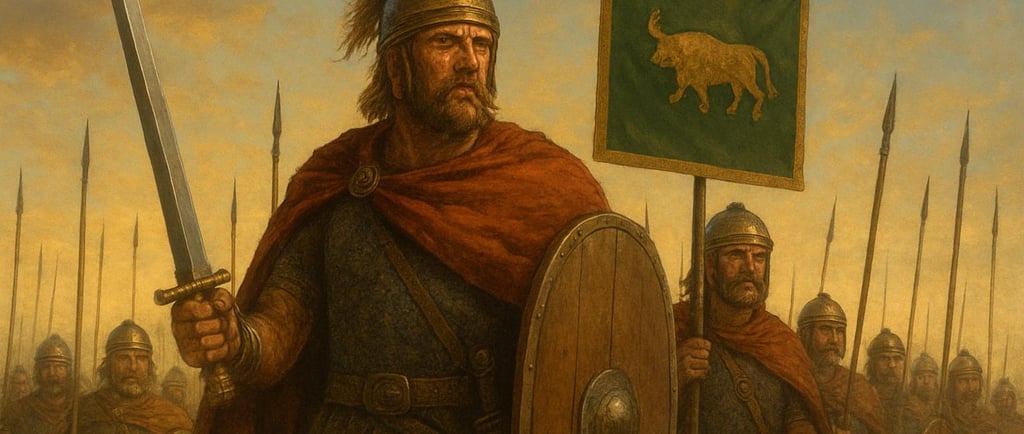
Introduction to the Gallic Empire and Its Monetary System
The Gallic Empire, a significant political entity that emerged during the tumultuous period of the late Roman Empire, encompassed a region largely corresponding to modern-day France, Luxembourg, Belgium, and parts of Switzerland, Italy, and the Netherlands. This empire, established by the usurper Postumus around 260 AD, arose amidst the broader crisis of the Roman Empire, which faced internal strife and external threats. The socio-political context of the period was defined by fragmentation in governance and the assertion of local powers in response to perceived neglect or oppression from Rome.
At the heart of the Gallic Empire's economy was its monetary system, characterized by a mix of local currencies and the traditional Roman coinage. With a focus on trade, the Gallic Empire relied heavily on the production and exchange of goods, which included agricultural products, textiles, and metalwork. The existence of a functioning monetary system facilitated commerce, enabling merchants to conduct transactions more efficiently compared to barter systems. The Gallic coins, often made of silver and bronze, bore distinct images that reflected local culture and aspirations, underscoring the significance of identity in economic interactions.
Key dates in the establishment and operations of the Gallic Empire, such as the founding in 260 AD and subsequent economic practices, reveal an intricate relationship between governance and fiscal policies. The financial strategies employed by Postumus included minting coins that not only bolstered the economy but also garnered loyalty among his subjects by emphasizing their distinctiveness from Rome. As the empire expanded, trade routes were established with neighboring tribes and regions, intensifying the significance of currency as a symbol of power and a tool for governance. Understanding these foundational elements leads us to appreciate the broader implications of the Gallic monetary system and its lessons for contemporary investors in gold and silver.
Key Leaders and Economic Policies of the Gallic Empire
The Gallic Empire, during its peak, was characterized by notable leaders whose decisions profoundly influenced its monetary system and overall economy. Vercingetorix, one of the most renowned figures from this period, played a pivotal role in unifying various Gallic tribes against Roman encroachment. His leadership not only inspired resistance but also resulted in a transient political cohesion that affected fiscal policies. Under his command, there was an emphasis on centralizing resources and implementing a taxation system aimed at supporting the war effort, which ultimately impacted the economic landscape.
Another significant figure was Augustus, whose economic reforms were critical in establishing a structured monetary system post-Gallic rule. He introduced measures to standardize taxation and regulated trade, which helped stabilize the economy. These policies were integral in establishing trust in the Gallic currency. Minting practices underwent considerable enhancement during this era, particularly involving gold and silver coins, which not only served practical purposes but also symbolized power and economic stability.
Moreover, the Gallic monetary framework was influenced by trade dynamics. The extensive trade routes contributed to an increase in the circulation of precious metals, such as gold and silver. This influx allowed for constructive economic policies that enabled the introduction of new forms of currency and facilitated commerce. The establishment of trade regulations helped protect local industries while promoting the export of notable goods, thus ensuring a steady flow of economic activity.
Throughout the years, significant reforms were marked by key events. One notable reform occurred in 52 BC, preceding the Gallic Wars, which saw an increased focus on minting accurate coinage reflecting the empire's governance and prosperity. Collectively, the decisions made by these leaders underscored the interplay between governance and economy, presenting essential lessons relevant to modern gold and silver investors.
The Rise and Decline: Factors Affecting the Gallic Monetary System
The Gallic monetary system experienced a notable rise that was fundamentally influenced by external and internal factors. Initially, military conquests played a pivotal role in augmenting the wealth of the Gallic Empire. Successful campaigns expanded territorial control, increasing access to resources and enhancing trade opportunities. This influx of resources bolstered the economy, allowing for a more robust monetary system characterized by the widespread use of coinage and trade in precious metals such as gold and silver.
However, as the Empire grew, it faced significant challenges that began to undermine its monetary stability. Trade barriers emerged due to geopolitical tensions, leading to restrictions on commerce with neighboring regions. These barriers exacerbated economic isolation, stifling the flow of goods and disrupting established trade routes. In times of prosperity, cultural exchanges and interactions fostered trust in the Gallic currency, but these connections became strained during downturns, leading to reduced confidence among traders and consumers alike.
Internally, the Gallic monetary system encountered profound issues, including rampant inflation and persistent corruption. As the need for quick revenue grew, the government resorted to devaluing its currency, which diluted the trust of its citizens. Citizens became wary of holding currency that steadily lost value, leading to increased hoarding of precious metals as a safeguard. Moreover, corruption among officials further eroded public faith in the integrity of the monetary system, resulting in a vicious cycle of economic instability.
Critical turning points marked the decline of the Gallic Empire’s monetary system. Each misstep, from military overreach to failures in governance, contributed to systemic vulnerabilities. Understanding these historical lessons provides valuable insights for modern investors in gold and silver, highlighting the delicate balance between external opportunities and internal integrity in safeguarding economic stability.
Lessons for Modern Investors: Insights from the Gallic Empire's Monetary Practices
The rise and fall of the Gallic Empire's monetary system provide critical insights that contemporary investors, particularly in gold and silver, can utilize to navigate today's financial landscape. A key lesson from this historical period is the importance of diversifying assets. The Gallic Empire faced significant challenges partly due to its heavy reliance on a singular monetary system, leading to vulnerabilities as metal values fluctuated. Modern investors should replicate this strategy by considering a diversified portfolio that includes various forms of investments—ranging from precious metals like gold and silver to real estate and stocks—thereby mitigating risks associated with market volatility.
Additionally, understanding the implications of currency devaluation is essential. The Gallic Empire experienced significant inflation as a result of excessive minting and devaluation of their currency, which subsequently eroded public confidence and economic stability. Investors today should stay informed about economic indicators and governmental policies that may lead to currency devaluation, prompting proactive steps to safeguard their investments. Specifically, an understanding of how fluctuating fiat currency affects the value of gold and silver can position investors to make informed decisions that protect their wealth.
The resilience of an economic structure is another crucial insight derived from the Gallic Empire's practices. The Empire struggled when faced with economic turmoil and failed to adapt swiftly to changing circumstances. Investors in today's dynamic market must focus on building an adaptable investment strategy that can withstand economic shocks. This includes regularly reviewing and adjusting their asset allocations based on market conditions while prioritizing the preservation of capital.
By integrating the lessons learned from the Gallic Empire—namely the significance of diversification, awareness of currency risks, and maintaining a resilient economic framework—modern investors can enhance their strategies related to gold and silver investments. Historical context provides valuable guidance on navigating contemporary economic challenges, ensuring a more secure financial future.