
The Rise and Fall of the Mexican Empire's Monetary System: Lessons for Modern Investors
EDUCATION ON GOLD & SILVER
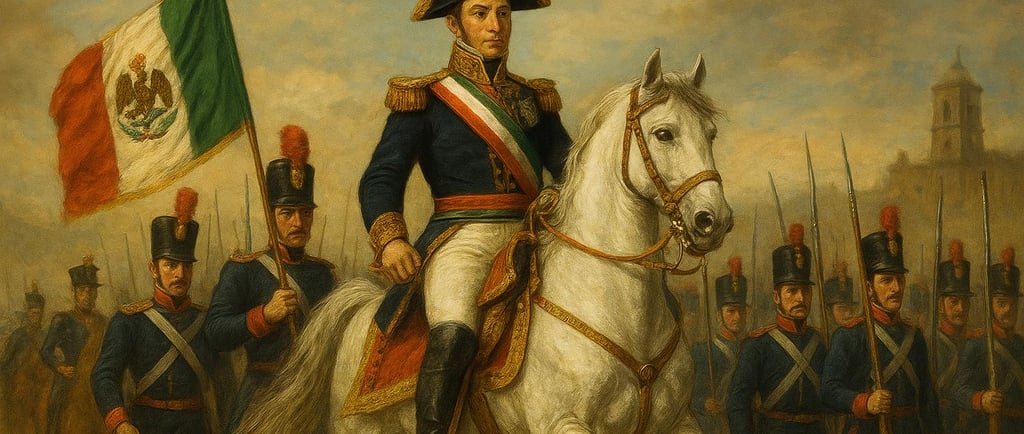
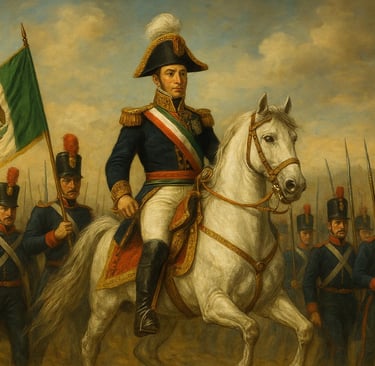
Overview of the Mexican Empire: A Historical Perspective
The history of the Mexican Empire is marked by two significant periods of imperial rule, each characterized by unique political dynamics and economic challenges. The first period, known as the First Mexican Empire, was established following the country's independence from Spanish rule in 1821. Agustín de Iturbide, a prominent military leader, played a pivotal role in this transition. Following the Plan of Iguala, which embraced both liberal and conservative ideals, Iturbide declared himself emperor, aiming to unify the diverse factions within the country. However, this ambitious attempt succumbed to internal dissent and political instability, leading to his abdication in 1823 and the establishment of a republic.
The second phase occurred later in the 19th century, during the Second Mexican Empire, which began in 1864. This period saw the ascension of Archduke Maximilian of Austria, who was installed as emperor with the support of conservative factions in Mexico and French military intervention. The regime attempted to modernize the nation and stabilize its economy through various reforms. However, it faced fierce opposition from liberal Republicans, led by figures such as Benito Juárez. The weakening of French support, combined with increasing resistance from nationalist factions, ultimately culminated in the downfall of the Second Mexican Empire in 1867, resulting in Maximilian's execution.
Both empires had a profound impact on Mexico's monetary system and economic stability. The frequent changes in governance precipitated fluctuations in monetary policy and created an environment of uncertainty for investors and citizens alike. This historical overview illustrates the complexities of empire and the intricate relationship between governance and economic systems, offering modern investors important lessons from the rise and fall of the Mexican Empire.
Key Leaders and Their Economic Impact
The Mexican Empire’s monetary system was significantly influenced by several key leaders whose policies had lasting impacts on the economy. Among these figures, Agustín de Iturbide and Maximilian I stand out due to their distinct approaches to currency, taxation, and trade, shaping the fiscal landscape of the era.
Agustín de Iturbide, who assumed power following Mexico's independence in 1821, established a monetary system that sought to stabilize the nation’s economy. His leadership aimed to unify various factions within the country, and he introduced the peso as the standard currency to replace a fragmented system composed of various coins. This move was critical for establishing a consistent monetary framework. However, Iturbide's reign came to an end in 1823, leading to political instability that adversely affected the monetary system. The subsequent lack of confidence in the currency resulted in inflation and economic uncertainty, reflecting the vital role leadership plays in maintaining monetary stability.
Maximilian I, the Austrian Archduke who ruled Mexico from 1864 until 1867, attempted to nationalize and strengthen the economy through various reforms. His policies included implementing a tax system that aimed to increase state revenue and reduce the nation’s debt. Maximilian sought to modernize the financial infrastructure, promoting trade and foreign investment. Unfortunately, his reign coincided with a turbulent period in Mexican history, leading to challenges in enforcing these policies. The outcome of his economic strategies was mixed; while some reforms laid the groundwork for future modernization, others faltered under external pressures and domestic resistance.
Analyzing the actions of these leaders illustrates how economic policies can significantly impact a nation's monetary system. The successes and failures of Iturbide and Maximilian I not only shaped the historical context of the Mexican Empire but also provide valuable lessons for modern investors regarding the importance of stable leadership in achieving economic stability.
The Role of Precious Metals: Silver and Gold in the Mexican Economy
During the Mexican Empire, precious metals such as silver and gold played a crucial role in shaping the economic landscape. The most prominent currency was the silver real, which emerged as a critical medium of exchange not only in Mexico but also in international trade. The silver peso, a derivative of the real, further solidified silver's position as a foundational element in the economy. Minted in large quantities at facilities like the Zacatecas Mint, these coins showcased Mexico’s vast silver reserves, making them highly sought in various trade networks, particularly during the colonial era.
Gold also held significant value in the Mexican monetary framework, with the gold escudo serving as the principal gold currency. The escudo, while overshadowed by the abundance of silver, was vital for larger transactions and represented an elite tier in commerce. The quality and purity of the gold escudo were pivotal to maintaining trust in the currency among merchants and consumers, thus highlighting the importance of proper minting practices and regulations.
Trade and commerce in the Mexican Empire thrived due to the consistent valuation of these precious metals. The reliance on a metal-backed currency often offered stability, particularly in times of economic turmoil. However, this dependence also posed challenges, as fluctuations in global metal markets could significantly impact the Mexican economy. For example, the discovery of new silver deposits in the Americas occasionally led to an over-supply of silver coins, resulting in devaluation and inflation.
Despite these risks, the integration of gold and silver into the empire's monetary system laid the groundwork for understanding modern finance, particularly the benefits and drawbacks of metallic standards. By analyzing this reliance on precious metals, investors today can glean insights regarding the potential volatility of asset-backed currencies, aiding in the formation of modern strategies for monetary stability.
Lessons from the Mexican Empire's Monetary System for Modern Investors
The examination of the Mexican Empire's monetary system unveils several critical lessons for contemporary investors. One of the foremost lessons is the value of diversification in investment portfolios. The collapse of the Empire's currency was significantly influenced by excessive reliance on silver, which, while historically regarded as a stable asset, ultimately proved insufficient to sustain economic growth amid external pressures. Modern investors can take heed of this lesson by avoiding overconcentration in any singular asset or market, thereby mitigating risks associated with volatility.
Additionally, understanding historical economic patterns presents a crucial advantage for investors today. The cycle of rise followed by decline in the Mexican Empire serves as a reminder that economic systems are often subject to similar patterns of booms and busts. By studying these phenomena, investors can better anticipate market movements and make informed decisions that align with broader economic trends. This historical perspective enables investors to harness the wisdom of past economic behaviors to enhance their strategic planning.
Moreover, the enduring relevance of precious metals, particularly gold and silver, cannot be overstated in the context of the Mexican Empire's monetary framework. These metals not only held intrinsic value during the Empire's reign but also served as a hedge against inflation and economic uncertainties. For modern investors, incorporating gold and silver into investment portfolios can act as a safeguard during turbulent economic phases. This approach can provide investors with a stable alternative when fiat currencies face depreciation or crises.
In conclusion, the lessons drawn from the rise and fall of the Mexican Empire's monetary system emphasize diversification, awareness of historical economic cycles, and the inclusion of precious metals in investment strategies. Investors today can apply these insights to build resilient financial portfolios that can withstand the test of time and volatility in the marketplace.