
Understanding the Rise and Fall of the Armenian Empire's Monetary System
EDUCATION ON GOLD & SILVER
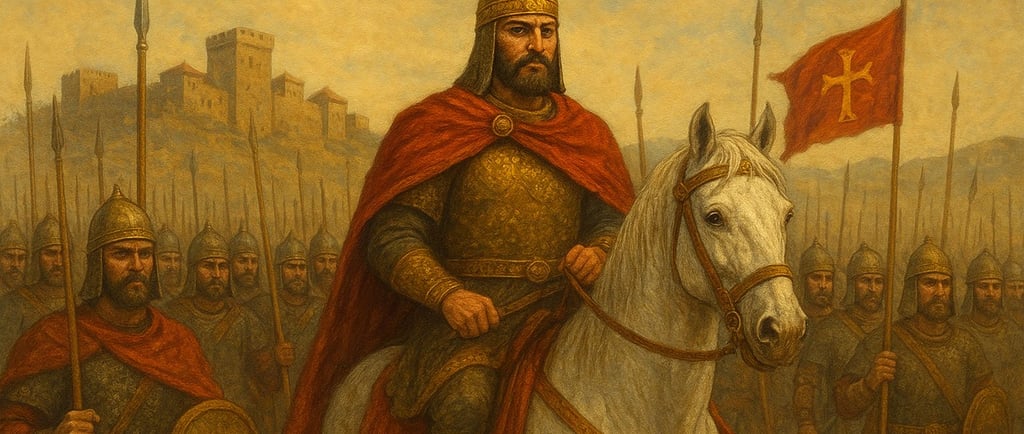
Historical Overview of the Armenian Empire's Monetary System
The Armenian Empire, one of the prominent dynasties of the ancient world, demonstrated a sophisticated monetary system that evolved significantly over the centuries. Its economy, rich in resources and strategic trade routes, laid the groundwork for a stable monetary framework that catered to both local and international markets. Originally, during the early centuries of the Empire, bartering was a common practice, with goods exchanged directly without the use of a formal currency. However, as trade expanded, particularly with neighboring regions, the introduction of a standardized monetary system became imperative.
One pivotal point in the evolution of the Armenian Empire's monetary structure occurred around the 6th century BC, when the first coins were minted. These coins bore various symbols and images representative of Armenian culture and significance, serving as both a medium of exchange and a symbol of national identity. The establishment of regulations regarding coinage marked a turning point, as it established a framework that facilitated trade and encouraged economic growth. This period saw an increase in commerce, attributed mainly to the enhanced trust in currency and efficient fiscal policies.
In the subsequent centuries, particularly during the 1st century AD, the Empire reached its economic zenith. The Armenian monetary system was further refined, with measures instituted to control inflation and promote steady commerce. Key trade routes connecting the East and West made Armenia a crucial hub for the exchange of goods, including textiles, spices, and precious metals. The thriving economy brought about the establishment of banking practices, fostering a complex financial landscape that enabled the Empire to flourish.
However, the decline began around the 4th century AD when external pressures, including invasions and shifts in trade patterns, challenged the existing monetary structure. The once-unified monetary policy fragmented, leading to economic instability. Understanding this timeline provides critical insight into the intricacies of the Armenian Empire's monetary system, reflecting the interplay between economic strategies and historical circumstances.
Influential Leaders and Their Impact on the Economy
Throughout the history of the Armenian Empire, several notable leaders significantly influenced its monetary system and economic policies, shaping the trajectory of the empire. Among these figures, Tigranes the Great stands out prominently. As a formidable king who reigned from 95 to 55 BC, Tigranes expanded the empire's territories to unprecedented extents and significantly enhanced its economy. His military conquests not only brought wealth through the plunder of foreign lands but also opened new trade routes that facilitated economic exchanges with neighboring regions.
Tigranes' aggressive expansionism resulted in the integration of diverse cultures and commercial practices, which ultimately shaped Armenia's monetary system. Under his rule, the introduction of standardized coinage marked a pivotal moment in the empire's economic evolution. Tigranes recognized the importance of a stable currency in promoting trade, and he implemented a consistent coinage system that enhanced confidence among merchants and bolstered trade networks. This innovative approach laid the groundwork for the empire's economic prosperity, as it allowed for smoother transactions and facilitated the collection of taxes.
Furthermore, the decisions made by Tigranes and other influential leaders fostered a geopolitical environment conducive to trade. By establishing alliances and securing trade agreements with neighboring states, Armenia became an essential conduit for commerce between East and West. The leading figures of the time understood that a robust economy depended on maintaining favorable trade relations, which directly influenced the empire's monetary policies and practices.
Leaders in the Armenian Empire demonstrated how leadership decisions could have profound impacts on the economy. The actions of Tigranes the Great and others set foundational principles in the realm of monetary systems, demonstrating the intricate connections between governance, commerce, and economic stability.
The Use of Gold and Silver in the Armenian Economy
Throughout the history of the Armenian Empire, gold and silver played a pivotal role in shaping its monetary system and facilitating economic transactions. These precious metals were not merely forms of currency; they served as a reliable store of value, thus fostering trade and commerce within the empire and beyond. Gold and silver coins were minted in various denominations, enabling merchants and traders to conduct business efficiently while providing a tangible means of exchange that was widely accepted and highly regarded.
The process of minting coins involved sophisticated techniques to ensure authenticity and uniformity. Local authorities had the responsibility of producing coins that would be recognized throughout their territories, with specific markings to denote age, value, and origin. This process not only reinforced the economic framework but also showcased the artistry and craftsmanship of the era. The valuation of these coins was directly influenced by the intrinsic value of the metals themselves, which highlighted the economic stability that gold and silver inherently provided.
The socio-economic implications of relying on gold and silver as primary currencies were significant. They helped stabilize the economy by limiting the fluctuations often associated with fiat currencies. However, the dependence on these commodity-backed currencies also posed challenges, particularly in times of economic distress or metal scarcity, leading to inflationary pressures and volatility in trade practices. Modern investors can glean valuable lessons from the Armenian Empire's experience, recognizing that while commodity-backed currencies can offer stability, they are susceptible to external shocks, such as mining disruptions or shifts in global demand. The enduring importance of gold and silver in the Armenian economy emphasizes the need for a balanced approach when considering currency systems, highlighting both the benefits and risks associated with precious-metal-backed monetary policies.
Lessons for Modern Investors from the Armenian Empire's Monetary History
The narrative of the Armenian Empire's monetary system provides valuable insights for today's investors, particularly those involved in gold and silver markets. By examining the rise and decline of this ancient economy, one can discern key lessons applicable to contemporary financial strategies. At the heart of the Armenian monetary experience lies the understanding that monetary policy—not just currency, but the broader economic strategies deployed by leadership—directly impacts economic stability. This observation serves as a critical reminder for modern investors: the efficacy of financial management hinges significantly on leadership's vision and decision-making.
Moreover, the prominence of precious metals during the Armenian Empire’s zenith underscores the enduring value of gold and silver as a hedge against economic uncertainty. For today's investors, recognizing the historical significance of these metals can inform decisions about asset allocation and diversification of investment portfolios. Precious metals have historically been viewed as safe havens during economic upheaval, and this perspective remains relevant in today's volatile markets. Investors are encouraged to consider integrating assets such as gold and silver into their strategies, not merely for potential appreciation but as essential tools for risk mitigation.
Additionally, understanding the historical context of the Armenian Empire's rise and fall highlights the importance of adaptability in investment practices. Economic conditions can shift abruptly, and investors must remain agile, adjusting their portfolios in response to both global market dynamics and local economic indicators. To maximize returns and minimize risks, modern investors should cultivate a habit of continuous learning, regularly revisiting historical precedents and economic theories.
In conclusion, the story of the Armenian Empire's monetary history encapsulates wisdom that remains relevant today. By harnessing lessons from the past, particularly the prudent use of precious metals and a keen awareness of leadership impacts on economies, investors can better navigate the complexities of modern financial landscapes.