
The Rise and Fall of the Moorish Empire's Monetary System: Lessons for Modern Investors
EDUCATION ON GOLD & SILVER
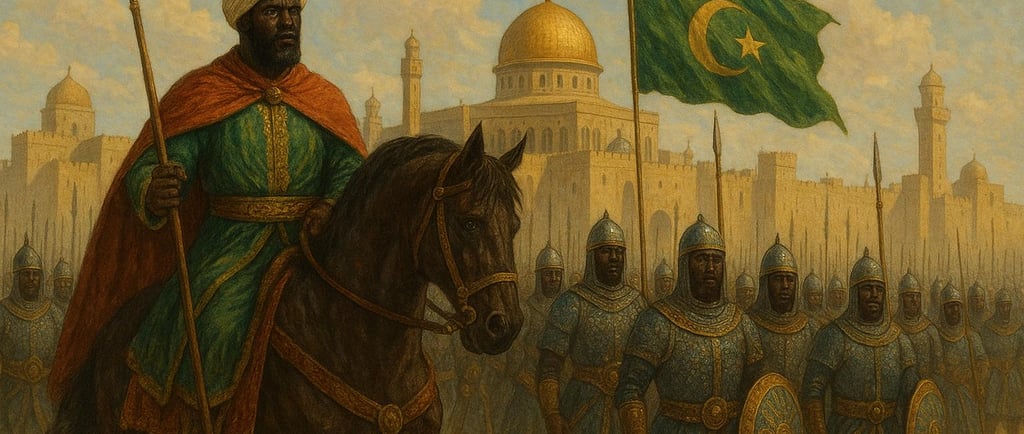
Historical Overview of the Moorish Empire
The Moorish Empire, a significant historical entity, thrived in the Iberian Peninsula from the early 8th century AD, shaping the cultural and economic landscape of the region. Established following the Umayyad conquest in 711 AD, the empire marked the beginning of nearly eight centuries of Muslim rule in parts of Spain and Portugal. Under the leadership of Abd al-Rahman III, the Caliphate of Córdoba reached its zenith in the 10th century, becoming a beacon of economic prosperity, cultural flourishing, and intellectual exchange.
The expansion of the Moorish Empire was characterized by military conquests and strategic alliances, which facilitated the diffusion of knowledge and innovations. The early victories led to the establishment of al-Andalus, where the Moors introduced advanced agricultural techniques and a robust trading system, further enhancing economic growth. Al-Zahir, a notable figure in this era, contributed significantly to the empire's strategic military defenses and diplomatic relations, reinforcing its stability and wealth.
The decline of the Moorish Empire can be notably traced to key historical events, culminating in the fall of Granada in 1492 AD. This landmark event not only signified the end of Moorish rule but also marked a crucial turning point in European history. The Reconquista ended centuries of Muslim presence in the region, dramatically altering trade routes and socio-economic dynamics. Despite this decline, the Moors' contributions to trade, culture, and intellectual advancements left an indelible mark on Europe, influencing areas such as architecture, science, and philosophy.
Understanding the historical context of the Moorish Empire is essential for comprehending the evolution of its monetary system, which thrived amidst this rich backdrop of cultural exchange and economic development. Such historical insight provides valuable lessons for modern investors, illustrating the interconnectedness of cultural and monetary systems throughout history.
The Monetary System of the Moorish Empire
The Moorish Empire, at its peak, developed a sophisticated monetary system that played a pivotal role in facilitating trade and commerce across vast territories. Central to this system was the use of gold and silver coins, which were minted to cater to the economic needs of the empire. The dinar, primarily made of gold, and the dirham, a silver coin, were the most prominent currencies circulating throughout the regions under Moorish influence. These coins not only served as medium of exchange but also as a reflection of the empire’s wealth and its ability to control valuable resources.
The Caliphate’s strict regulation over the minting practices ensured a stable currency that maintained public confidence. Gold and silver resources were carefully managed, and the establishment of controlled minting sites allowed for consistent production of coins that met the demands of trade. The influence of this monetary stability was particularly evident during trade with neighboring regions, where Moorish coins were widely accepted, facilitating interactions with European and African markets. This interdependence fostered economic growth and expanded trade networks crucial for the empire’s prosperity.
However, the economic landscape was not immune to external disruptions. The Reconquista, a series of campaigns by Christian states to reclaim territory, had a significant impact on the Moorish Empire’s monetary system. As territories were relinquished and resources became scarce, the functionality of the monetary system was challenged. Additionally, shifts in European economic practices further strained the traditional structures that once supported Moorish prosperity. Understanding these dynamics highlights the vulnerability of a monetary system that, although robust in its design, was susceptible to external pressures. Such historical insights provide valuable lessons for modern investors reflecting on the importance of adaptability and strategic resource management in sustaining economic stability.
Impact of Key Leaders on the Economy
The economic landscape of the Moorish Empire was significantly shaped by its influential leaders, whose policies and decisions played crucial roles in establishing the empire's monetary system. Among these leaders, Abd al-Rahman III stands out due to his reign during a time marked by stability and prosperity. Under his leadership, the empire witnessed a flourishing economy characterized by cultural exchange, enhanced trade routes, and a more sophisticated monetary system.
Abd al-Rahman III's strategic decisions regarding trade and taxation had enduring implications. He implemented a series of reforms aimed at maximizing tax revenue while ensuring fairness in taxation. These policies not only boosted the empire's coffers but also fostered trust among merchants and citizens, ultimately leading to increased economic activity. The emphasis that these leaders placed on regular and transparent taxation created an environment conducive to trade, enabling the flow of goods such as spices, textiles, and precious metals across the empire and beyond.
Moreover, the promotion of gold and silver as primary currencies helped standardize economic transactions. Leaders such as Abd al-Rahman III recognized the importance of a stable currency, understanding that a consistent measure of wealth was vital for fostering trade. This alignment towards precious metals positioned the empire as a central hub in Mediterranean commerce, attracting traders from various regions and further enhancing economic activity.
However, the economic systems established under these leaders were not without vulnerabilities. As leadership styles and priorities shifted in subsequent years, the initial successes began to wane. Poor fiscal management and warfare increasingly strained the economy, culminating in the eventual decline of the Moorish Empire's monetary system. Lessons derived from this rise and fall underscore the critical nature of consistent and prudent economic leadership in ensuring long-term prosperity.
Lessons for Modern Investors: Insights from the Moorish Empire
The Moorish Empire, which thrived during the Middle Ages, offers valuable lessons for today’s investors, especially those focusing on precious metals like gold and silver. The rise and subsequent decline of its monetary system reveal critical insights into wealth management and investment strategies that are still relevant in contemporary financial practices. One key takeaway from the Moorish experience is the importance of diversifying one's investment portfolio. Amidst fluctuating economic conditions, the Moorish Empire managed an intricate balance of wealth through a variety of resources, illustrating how diversification can mitigate risks and enhance stability. Modern investors should similarly consider structuring their assets to avoid over-reliance on a single resource.
Furthermore, the history of the Moorish Empire underscores the impact of external market fluctuations on investment outcomes. Investors today must keenly analyze economic indicators, as historical contexts like trade routes and geopolitical tensions critically influenced the empire’s monetary health. These dynamics remind us that a thorough understanding of market forces is crucial for strategic investment decisions, particularly in the volatile landscape of precious metals.
Another important lesson is the astute management of resources. The Moorish elite thrived on a nuanced grasp of economic principles, leveraging both local and foreign resources to fortify their wealth. Modern investors can take a page from this playbook by continuously assessing their assets and adapting to market changes, thus maintaining a competitive edge.
Ultimately, the Moorish Empire's narrative illustrates the enduring value of precious metals during economic uncertainty. Learning from their successes and failures can empower today’s investors to implement strategies that guard against inflation and preserve capital. By integrating these historical insights into their investment plans, individuals can foster a resilient financial future, ensuring that history serves as a guide rather than a warning.