
The Rise and Fall of the Champa Empire's Monetary System: Lessons for Modern Investors
EDUCATION ON GOLD & SILVER
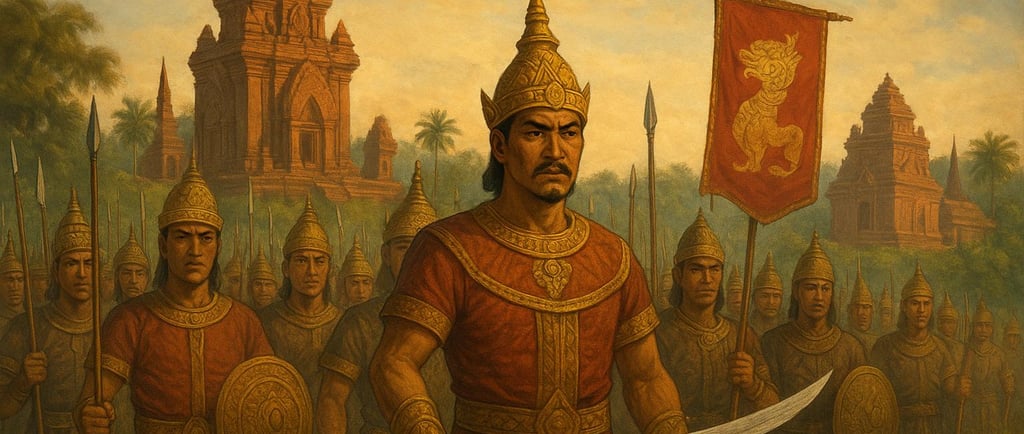
Overview of the Champa Empire
The Champa Empire, known for its rich cultural heritage and significant trading prowess, was located in what is now central and southern Vietnam. Established around the 2nd century AD, this maritime civilization thrived through its strategic coastal cities and trade routes that facilitated economic exchanges with neighboring regions and beyond. The empire was particularly prominent during its peak, which occurred between the 9th and 11th centuries. During this time, Champa became a vital player in regional trade, exporting goods such as spices, textiles, and notable ceramics.
Throughout its history, the empire was impacted by a series of dynastic changes and invasions, with its own notable leaders influencing the course of economic development. Among these rulers, King Indravarman II, who reigned in the late 10th century, played a pivotal role in fostering trade relations and promoting the use of a monetary system that advanced commercial activities. This framework of monetary exchange was essential in maintaining the prosperity of Champa, allowing for the flourishing of local artisans and merchants.
The Monetary System of Champa: Structure and Evolution
The Champa Empire, flourishing between the 2nd and 17th centuries in present-day Vietnam, had a dynamic monetary system that evolved through various socio-economic influences. Initially, the Champa utilized a barter system for trade, relying heavily on agricultural surplus and products. As the empire expanded and established foreign trade routes, the need for a standardized currency became paramount. This led to the introduction of coinage, primarily made of gold and silver, which played an essential role in facilitating trade both internally and externally.
The Champa's monetary system was characterized by a variety of coins, including the gold “đồng” and silver “kẽm” coins, which were used to reflect wealth and enable transactions across different trade routes. These currencies were not just mere mediums of exchange; they represented a significant aspect of the Champa economy and its interaction with neighboring kingdoms, such as China and India. Trade with these nations influenced the types of coins minted, often leading to the adoption of foreign designs and standards, reflecting the Champa's willingness to integrate external monetary practices into their economy.
Key Economic Leaders and Their Impact
The Champa Empire, flourishing in Southeast Asia from the 2nd to the 17th century, was greatly influenced by its economic leaders, whose policies shaped the monetary system and overall economic landscape. One prominent figure was Indravarman II, ruling during the 10th century. His reign is marked by significant achievements that fortified the economic base of the empire. Indravarman II prioritized trade, enhancing commerce with neighboring regions, which directly contributed to economic prosperity. His efforts included establishing diplomatic ties, facilitating exchange networks, and creating favorable conditions for traders.
Indravarman II understood the critical role taxation played in maintaining economic stability. He implemented a tax system that balanced the empire’s revenue needs with the interests of merchants and farmers. This approach fostered a sense of security and encouraged investment, leading to an increase in agricultural production and trade activities. Additionally, by regulating coinage during his rule, he ensured a stable monetary system that supported transactions and reinforced trust among traders and consumers alike. His initiatives led to enhanced economic integration within the empire and helped to bolster state power.
Another notable leader, Harivarman I, furthered the economic policies laid down by his predecessors. He expanded maritime trade routes, introducing Champa’s unique commodities, such as spices and textiles, to international markets. This not only strengthened the economy but also enhanced the empire's global standing. The influence of economic leaders like Indravarman II and Harivarman I demonstrates the significant impact that strategic policy-making can have on an empire's financial stability and prosperity. By analyzing their decisions surrounding taxation, trade, and coinage, it becomes evident how effectively leadership can shape an economy and its monetary practices.
Lessons from Champa's Monetary Practices for Modern Investors
The monetary system of the Champa Empire provides a rich reservoir of insights for contemporary investors, particularly through its reliance on precious metals like gold and silver. Historically, these metals served not only as currency but also as a stabilizing force against inflation and economic turmoil. This aspect is critically relevant today, as modern economies grapple with fluctuating currencies and market unpredictability.
One of the foremost lessons drawn from the Champa Empire's practices is the significance of incorporating precious metals into investment portfolios. Gold and silver have consistently been revered as safe-haven assets, offering a protective buffer in times of economic distress. Investing in these commodities can serve to mitigate risks associated with fiat currencies, which are often susceptible to inflationary pressures. Thus, a diversified portfolio that includes gold and silver can enhance financial stability and value preservation.
Additionally, the approach taken by the Champa traders in utilizing precious metals also highlights the importance of liquidity in investments. The Empire's ability to leverage gold and silver for trade and commerce underlined the need for assets that can easily be converted into cash when required. This underscores a crucial consideration for modern investors: always ensure a portion of their investments is in highly liquid assets to maintain flexibility in an ever-changing market landscape.
Furthermore, the historical context of the Champa Empire illustrates the value of understanding market cycles. Just as the Empire adapted its monetary practices in response to economic shifts, today's investors must remain vigilant and responsive to the dynamic nature of financial markets. By examining the Champa Empire's strategies and outcomes, investors can gain a nuanced perspective on how to navigate current uncertainties and develop effective investment strategies.